
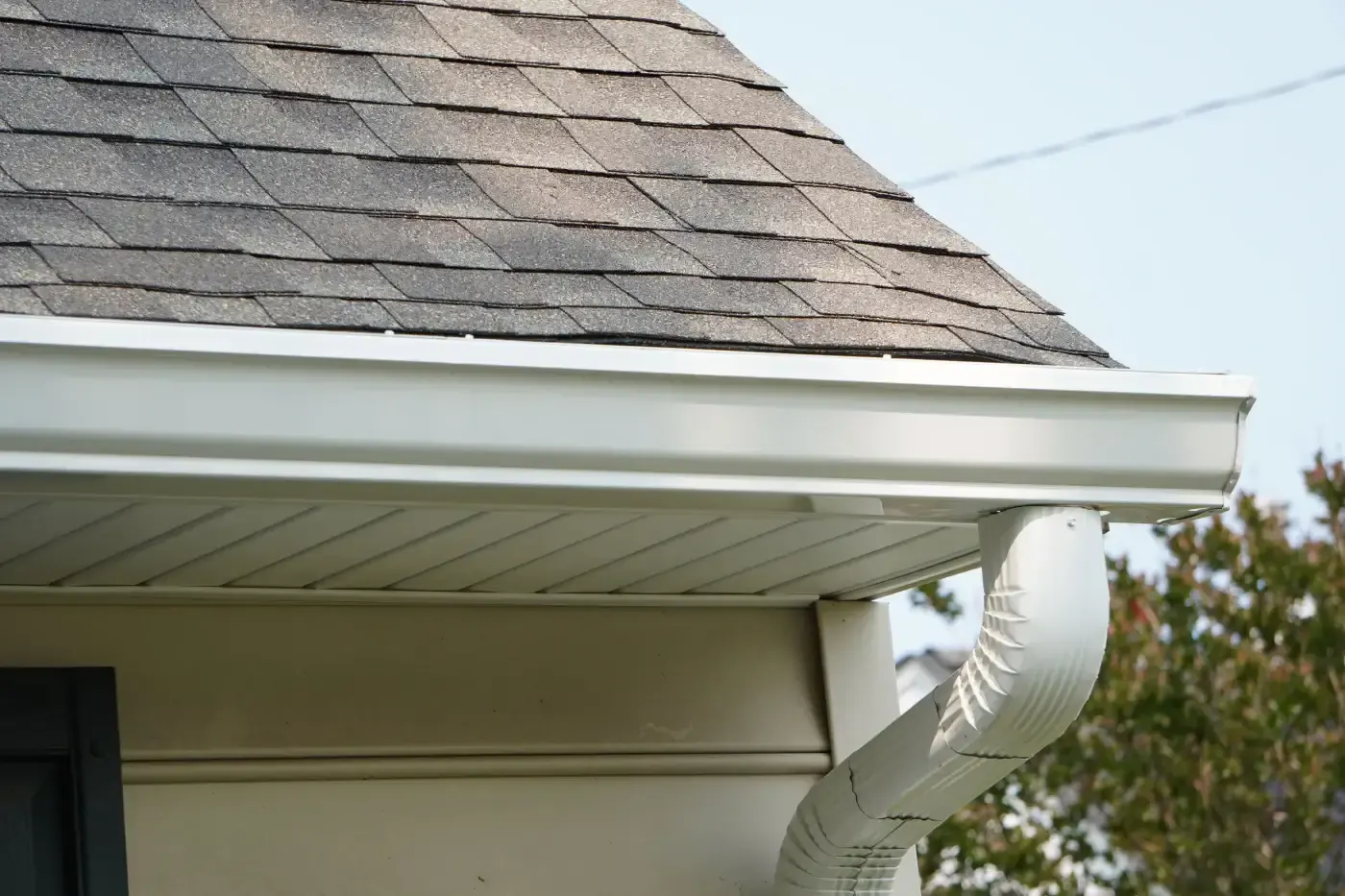
Micro-mesh and screen gutter guards both aim to limit debris entering the gutter, but they do so with different opening sizes and surface designs. Micro-mesh may reduce the passage of finer material, while a screen may be easier to inspect and can offer a simpler retrofit in some systems. Neither is universally best: roof grit, valleys, rainfall, attachment, cleaning access, gutter condition and downspouts determine whether a product fits.
Quick comparison
| Decision factor | Micro-mesh | Screen | What to verify |
|---|---|---|---|
| Openings | Finer mesh is intended to limit smaller debris | Larger openings vary by product | Actual aperture and manufacturer limits |
| Surface debris | Fine grit can load the surface | Leaves and needles may rest or pass through | Cleaning method and access |
| Water entry | Depends on surface, pitch, debris and rainfall | Depends on opening, angle and debris | Valleys and concentrated flow |
| Retrofit | May require precise edge or frame attachment | May offer simpler visible coverage in some systems | Gutter profile, roof edge and fasteners |
| Maintenance | Surface and edges still need inspection | Surface, edges and trough still need inspection | Outlet and downspout access |
| Cost | Product and installation can carry a higher investment | Product range and installation vary widely | Complete itemized scope |
Product quality and installation matter more than the category name alone.
Micro-mesh: finer openings, finer maintenance questions
Micro-mesh systems are designed with smaller openings that may limit more fine debris than a wide screen. That can be useful where seed pods, needles or roof grit are a recurring issue, but the material does not disappear. It may settle on top, clog the mesh surface, collect at edges or move to valleys and outlets.
Ask how the product handles roof grit, concentrated water, corners, end caps and outlet transitions. Confirm whether the surface can be cleaned in place, whether panels need removal and what tools or methods the manufacturer allows.
Screens: visible coverage and open-flow tradeoffs
Screens use a more open surface and can be easy to inspect. Larger debris may stay out while smaller material passes into the gutter or collects on top. A screen may be practical for one tree and roof condition but unsuitable where fine debris or valley flow dominates.
Do not judge a screen only from a short clean section. Inspect how it meets the roof edge, how it handles corners and valleys, whether wind can move it, and whether the gutter below remains sloped and open.
Heavy rain and valleys
Neither micro-mesh nor screen guards guarantees performance during intense rain. Water entry changes with roof pitch, surface loading, rainfall, valley concentration, gutter slope, outlet location and downspout capacity. A guard that works on a straight run may behave differently below a valley.
The guard-heavy-rain guide focuses on this narrow question. Do not substitute the guard category for the complete system review in the heavy-rain gutter guide.
Existing gutter condition and maintenance
Install or compare a guard only after checking the underlying gutter. Sagging, open joints, corrosion, poor slope, restricted outlets or damaged fascia can continue to cause overflow with either product. Guards also do not remove the need to inspect downspouts.
The gutter guard types guide explains other categories, while do gutter guards need cleaning? sets the maintenance expectation. Use the worth-it guide to weigh recurring service against the value of reduced debris entry.
Questions to ask before choosing
Ask for the exact manufacturer and model, aperture or surface, roof-edge attachment, compatibility with the existing gutter, treatment of valleys and outlets, pre-installation cleaning or repair, cleaning access, product documents, exclusions, price and written workmanship terms.
Request a micro-mesh or screen estimate with safe ground photos, dominant debris, roof type, tree conditions, story count and any history of overflow or cleaning. For service and maintenance scope, see gutter guards and gutter cleaning.
Frequently asked questions
Are micro-mesh gutter guards better than screens?
Not universally. Micro-mesh may limit finer debris, while screens may offer visible and simpler coverage in some systems. Roof, debris, rainfall, attachment and maintenance decide fit.
Do screen guards let pine needles through?
Some may, depending on opening size and installation. Needles can also rest on the surface, so ask how the specific product is inspected and cleaned.
Do micro-mesh guards clog?
The mesh surface can load with roof grit or organic debris, and edges, valleys, outlets and downspouts can still restrict flow.
Which handles heavy rain better?
Neither category has a universal answer. Water entry depends on surface loading, roof pitch, valley flow, gutter slope, outlets and downspouts.
Do both products need cleaning?
Yes. Both require inspection and may need cleaning at the surface, edges, gutters, outlets and downspouts.
Can either guard be installed on existing gutters?
Compatibility depends on profile, roof edge, slope, attachment, corners and condition. Confirm the exact product rather than assuming universal fit.
What should a micro-mesh or screen proposal include?
It should identify the product, model, attachment, compatible gutter, transitions, repairs, cleaning access, removal, exclusions, price and written product/workmanship terms.
Sources
- GAF Technical Bulletin R-113: Gutter Covers and Shingles
- NOAA Atlas 14 precipitation-frequency point query near central Katy
- U.S. Department of Energy: Gutters and Downspouts
- Texas Department of Insurance: Prepare for a Hurricane or Tropical Storm
Content review date: August 8, 2026.